Healing Through the Horse-Human Connection
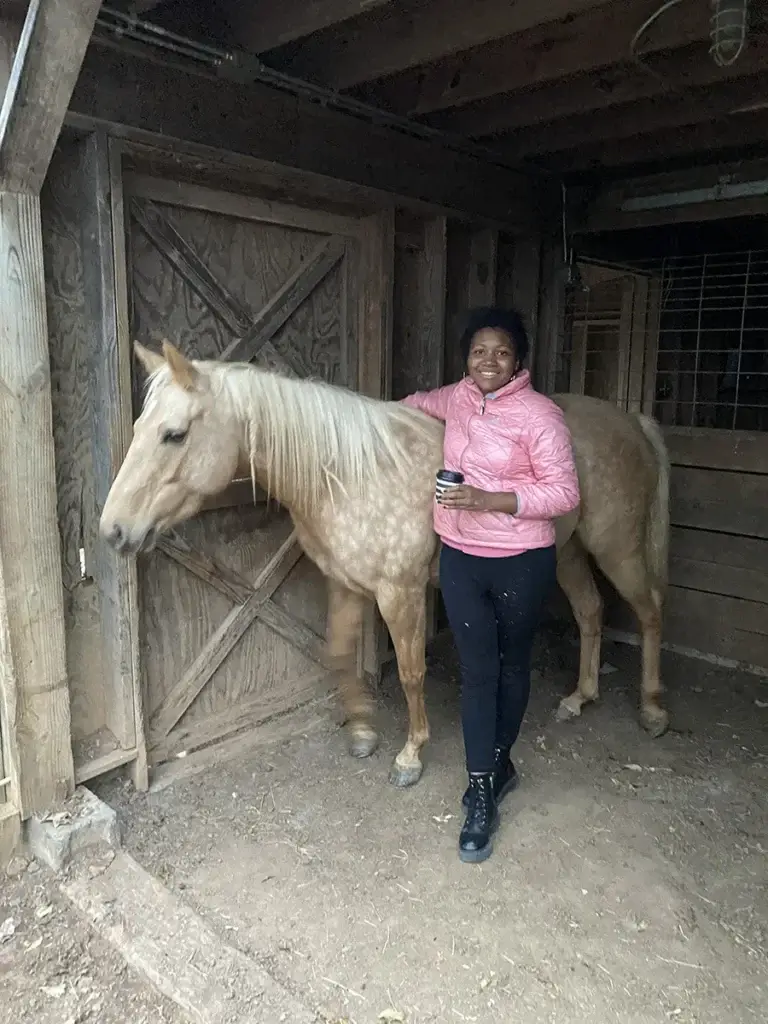
About Equine-Assisted Services
EAS is an evidence-based team approach used to meet a wide spectrum of needs. It includes such specialties as equine-assisted psychotherapy, equine-assisted learning for personal and professional development as well as enrichment for individuals/groups/teams, and therapeutic riding, etc.
The Team is made up of:
- The Horse – horses are the unique and critical partner in this specialized approach to healing and change.
- Mental Health Professional/Specialist – teams include a fully credentialed specialist in each discipline; such as licensed clinical counselor, a certified coach, a minister, a therapeutic riding certified instructor. This person oversees the emotional wellbeing and physical safety of the client.
- Equine Specialist – this person will have years of experience with horses in the equestrian industry. They will have a deep understanding of the horse’s temperament, needs and behaviors. Additionally, they will likely have specialized training in using horses in a therapeutic context. This person oversees the welfare and safety of the horse being used in EAS.
The mental health professional and equine specialist work together with a client to develop a treatment plan and/or a program plan. Services are offered at appropriate equine facilities for the service that is being provided. Fees include compensation for multiple professionals and the facility.
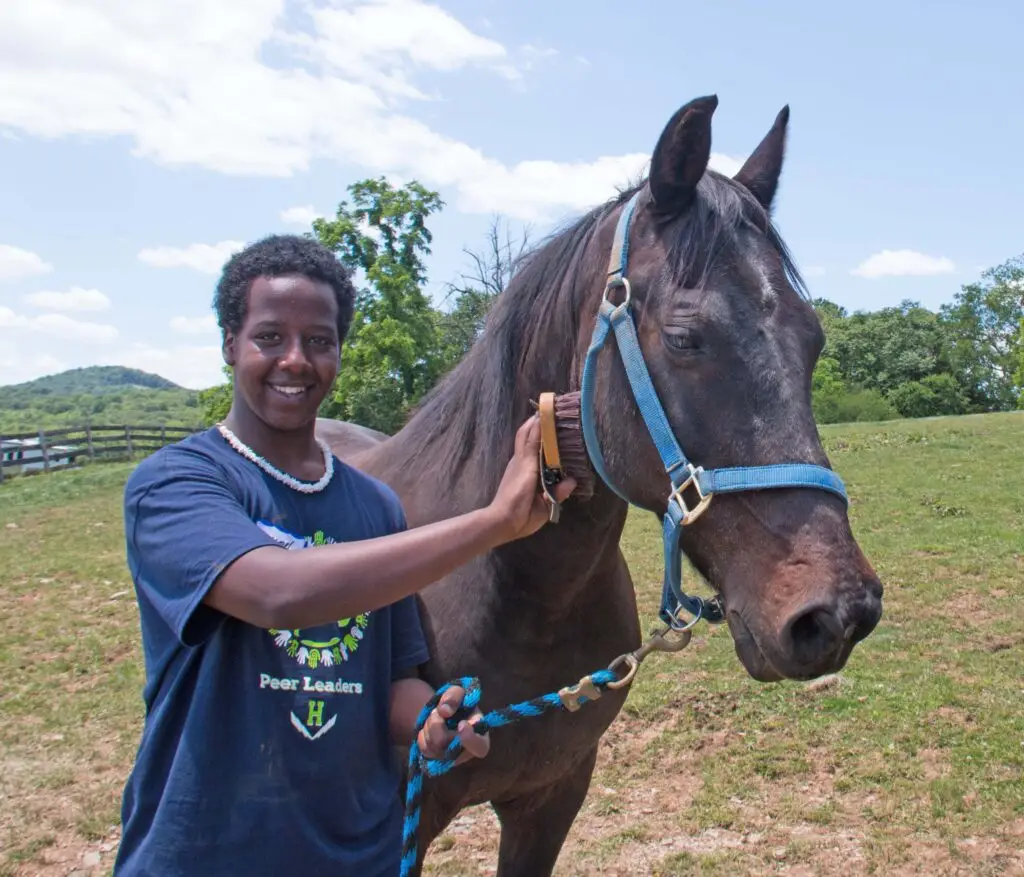
About the Horse
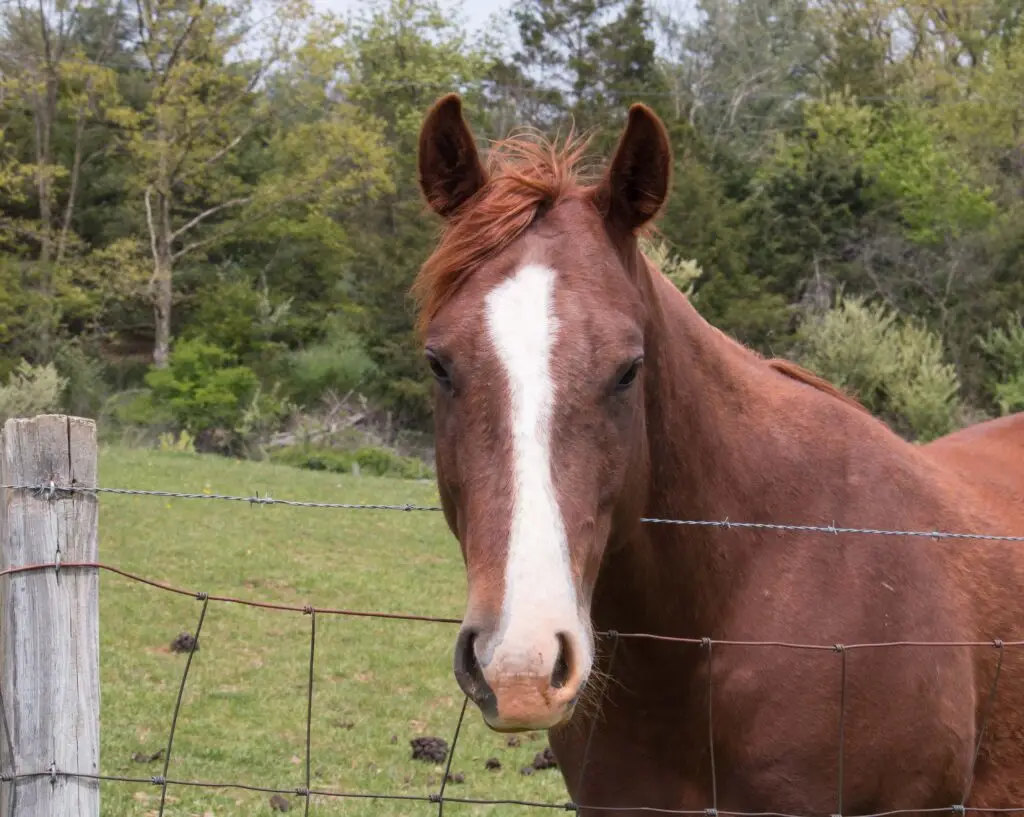
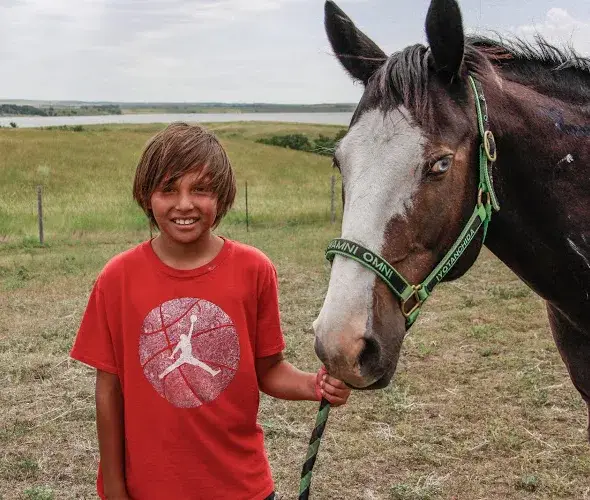
Science and research confirm that the benefits of including horses in a therapeutic treatment plan are both surprising and endless. To name a few, horses encourage and support
- emotional regulation
- sensory stimulation that facilitates calmness, relaxation and groundedness
- strengthening of relational skills
- confidence building and problem solving skills
- a new perspective on life’s challenges
- Greater physical mobility
What is it about the horse-human connection that can lead to the above benefits? As herd animals, from birth a horse is wired to have strong bonds with other horses and herdmates, which can and often does include humans and other species such as goats. Horses have lived with a human connection for over 5,000 years. We are in their DNA, they are in ours. Although we live in a modern world where many are disconnected from horses, it remains an ancient genetic relationship. The importance of this is that the horse-human connection has potential for impact at the cellular level for both.
As a prey animal they are always in search of a sense of safety.The herd is a horse’s go to for safety. Again, a domesticated horse can and often does look to their human for that sense of safety. This is at the heart of Trust. Unfortunately for many horses, humans are a source of mistreatment, trauma and exploitation.
A horse’s language is energy. They are super sensitive and responsive to the energy that is in their field of perception through their senses. This is why an older, calm, mature horse is often used to help build confidence in a younger horse such as in trail riding. The horse-human relationship is reciprocal where we influence each other based on our own energy states and our sense of safety. As humans, we often attach an emotion or attitude to what a horse projects in response to an “energy charge”, for lack of a better word. The energetic expression in horses is linked to the hormone flow in the brain of Cortisol (danger/threat) and dopamine (rest and digest). Humans share this similar hormonal flow impacting our own energy projection.
According to Dr. Steve Peters, a neuroscientist who has dedicated his career to advancing the neuroscience of ethical horsemanship. A horse is likely to fluctuate between a sympathetic hyperarousal state where “fight/flight” is activated down to an arousal/alert state which is optimal for learning to the parasympathetic state of homeostasis where “rest/digest” is activated and learning and information is consolidated and curiosity can emerge. Horses who have experienced a threat to safety through misuse, abuse, and lack of basic needs being met can shift into a parasympathetic hypoarousal state of check out/freeze. This is the same for humans.
What does all this mean in a therapeutic context? In short, a horse communicates in a heart language that is expressed through energy and body language. They respond to a client’s heart energy and body language in a way that provides immediate and valuable feedback to what might be going on in a client. To connect with horses, we have to move from our head to our heart and bodies. A therapeutic/learning context for humans using horses activates a beneficial awareness about a client’s own heart energy and body. In humans the heart is where healing takes place. When feedback from the horse and a connection with the horse helps foster changes and shifts in the heart and body of a client, then their beliefs, behaviors, habits, and personal stories start to shift in powerful, profound and transformative ways. This is the mystery and science behind the transformative bond between the horse and human connection. For a Deeper dive we recommend viewing the award winning documentary, Rescued Hearts.